A Reflective Essay by Emily Trisnandi, Intern at PT STAR Software Indonesia
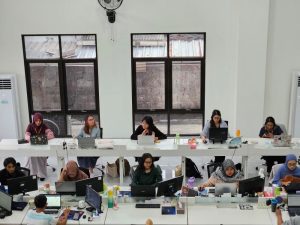
In my last semester of college, I had the opportunity to join an internship program held by the English Department UGM and PT. STAR Software Indonesia. PT. STAR Software Indonesia is a company specialising in translation and localisation, fields in which I have long been interested. It was a transformative experience that enhanced my professional skills, especially since it was my first time being an intern at a company. Over three months, I was immersed in a complex yet magical world of translation, working alongside professional linguists and contributing to various projects. I have learned a bit about translation and localisation during several semesters in college, but how their system works in the industry was entirely new to me, and I was eager to understand its dynamics. In the first month of interning there, I was given materials related to translation and localisation, ranging from familiar ones to the most novel for me. The second until the third month of interning kept me the busiest ever; learning new things via working with project managers translating, and localising various projects. The types of texts I primarily work with are IT, finance, and marketing.
One of the initial challenges I faced was understanding the diverse array of projects that the company handled. The scope was vast, from translating technical documents and marketing materials to localising software and multimedia content. Each project had unique requirements and standards, which I needed to quickly grasp within three months. My project managers, who are senior translators proficient in their fields, played a crucial role in helping me adapt to these demands. Through hands-on training sessions, I learned the importance of context, cultural nuances, and maintaining the integrity of the original message in translation, especially English to Indonesian translation. A significant aspect of my internship involved mastering various translation tools and software. Computer-Assisted Translation (CAT) tools became indispensable in my tasks. Before the internship, I only knew how to operate SDL Trados Studio; however, during the internship, I was introduced to a lot more CAT tools that were new to me, such as memoQ, Transit, Lokalise, Phrase, XTM, and Amazon Web Service. Initially, navigating these tools was tiresome. However, with consistent practice and guidance, I began to appreciate their efficiency and the precision they brought to translation work. In addition to CAT tools, I also used project management software, such as Microsoft Office. Understanding how to track project timelines, manage resources, and ensure quality control were crucial aspects of the localisation process. These technical skills not only enhanced my productivity but also gave me a deeper appreciation of the workflow and collaboration required in this industry.
One of the most profound lessons from my internship at PT. STAR Software Indonesia was the significance of cultural sensitivity in translation and localisation. Unlike straightforward translation, localisation involves adapting content to fit the cultural context of the target audience. This could mean altering idiomatic expressions, adjusting images, or even changing entire content sections to better resonate with local consumers. I recall a project where we were localising a marketing campaign for a global automotive brand. The original content was designed for a Western audience, but our task was to adapt it for the Indonesian market. This involved not only translating the text but also understanding the cultural values and preferences of Indonesian consumers. Through this project, I learned to navigate cultural differences and deliver authentic and engaging content to the target audience. Despite my academic background in English, I faced numerous instances where language barriers resulted in a challenge. Translating specialised terminology, such as legal or medical terms, required extensive research and expert consultation. There were moments of self-doubt where I questioned my language proficiency and ability to convey complex concepts accurately.
However, these challenges were significant in developing resilience and problem-solving skills. Collaborating with linguists and seeking their insights helped me overcome these barriers. Moreover, the company’s emphasis on speed and quality encouraged me to be more professional in prioritising responsibilities while maintaining the quality of my work. Balancing multiple projects with tight deadlines requ
ired careful planning and the ability to stay calm under pressure. By the end of my internship, I felt more confident handling specialised translations and appreciated the value of teamwork in overcoming linguistic challenges. Beyond my technical and linguistic skills, my internship at the translation and localisation company significantly contributed to my personal growth.
Furthermore, working in a team of different ages enhanced my interpersonal skills and cultural competence. Engaging with colleagues from diverse ages broadened my perspectives and fostered a greater appreciation for different work habits. The experience also honed my communication skills, as I learned to articulate my ideas clearly and collaborate effectively with team members. As I reflect on my internship experience, I realise how much it has shaped my career aspirations and personal development. The exposure to real-world projects and the mentorship I received were invaluable. The challenges I faced, and the skills I acquired have provided me with a solid foundation for a career in the translation and localisation industry. Moreover, the internship reinforced my passion for languages and cultural exchange. It highlighted the power of language as a bridge that connects people across borders and different cultures. Contributing to this global dialogue is very rewarding and has motivated me to continue pursuing opportunities in this field.
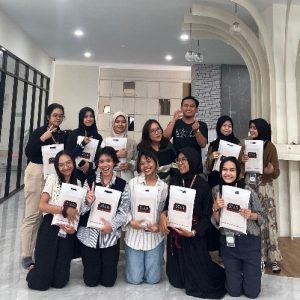
My internship at PT. STAR Software Indonesia was a journey of discovery, learning, and growth. It challenged me to step out of my comfort zone, adapt to new tools and processes, and develop a deeper understanding of cultural nuances. The experience has not only enhanced my linguistic skills but also developed personal growth and a deeper appreciation for the complexities of global communication. I take the knowledge and understanding I received from this internship with me as I improve in my work. I am grateful for the opportunity and the guidance that helped me through this internship. My passion for contributing to the translation and localisation fields has been strengthened by this experience, and I am eager to apply the knowledge and abilities I have gained to the industry.