As American universities increasingly prioritize Science, Technology, Engineering, and Mathematics (STEM) fields, humanities and language programs, especially those focusing on less commonly taught languages, face a significant funding decline. This trend poses a serious threat to the continued existence of Southeast Asian language instruction in U.S. institutions. In this challenging landscape, the question arises: how can these programs not only survive but thrive?
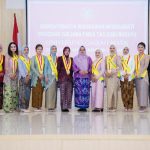
This critical issue was at the heart of a recent roundtable discussion held as part of the AAS-in-Asia Conference 2024 events at Universitas Gadjah Mada, Yogyakarta, from July 9-11. Chaired by Juliana Wijaya from the University of California, Los Angeles (UCLA), the discussion brought together leading figures in Southeast Asian language education to share insights and best practices for adapting to the changing educational landscape.
Panelists included Pia C. Arboleda from the University of Hawaiʻi at Mānoa, representing the Filipino language program; Sakti Suryani from Harvard University, representing the Indonesian language program; Jenjit Gasigitamrong from the University of California, representing the Thai language program; and Thúy Tranviet from Cornell University, representing the Vietnamese language program.
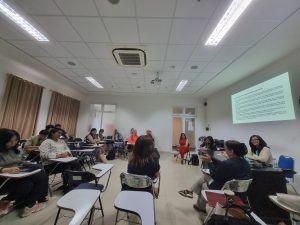
One of the key takeaways from the discussion was the importance of proactive marketing and outreach. Pia C. Arboleda emphasized the need to effectively “sell” language programs, akin to marketing a product. Strategies such as showcasing student success stories through testimonials and engaging with high schools through presentations and workshops were identified as crucial for countering declining enrollment often seen in humanities programs.
However, attracting students is just the first step. Sakti Suryani highlighted the importance of adapting lesson plans and content to meet students’ interests and current proficiency levels. She emphasized engaging students by asking what they want to learn, which fosters greater involvement and caters to specific needs. Suryani also suggested collaborating with Indonesian student associations and the broader Indonesian community to create real-world connections for students and provide opportunities for cultural exchange.
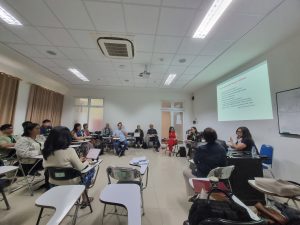
The discussion also highlighted the significance of heritage learners—students with a family background in a particular language. Jenjit Gasigitamrong shared experiences from the Thai language program, which primarily attracts Thai-American students pursuing STEM fields. Recognizing their cultural heritage, Gasigitamrong stressed the importance of incorporating elements like food, art, and cultural practices into the curriculum. Additionally, encouraging students to use the language to discuss their STEM studies helps them connect more deeply with their heritage and highlights the value of Southeast Asian languages in broader academic contexts.
The transformative power of project-based learning was another focal point. Thúy Tranviet championed this approach, emphasizing its role in allowing students to immerse themselves in the language through practical application, fostering a deeper understanding and appreciation of the culture. Tranviet shared a unique example where Vietnamese students visited Thailand, demonstrating the potential of language learning to bridge cultural divides and foster regional understanding. This approach transcends traditional language learning, offering enriching experiences across academic disciplines and fostering meaningful connections.
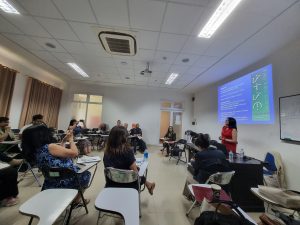
The roundtable concluded with a renewed sense of optimism for the future of Southeast Asian language programs. By embracing adaptability, fostering a culture of collaboration, and utilizing innovative teaching methods like project-based learning, these programs can not only survive but thrive. The concept of “border crossing” was highlighted, extending beyond geographical boundaries to encompass collaboration with STEM fields and other disciplines. By demonstrating the versatility and relevance of Southeast Asian languages in today’s world, these programs empower students to navigate a globalized landscape and bridge cultural divides. This holistic approach positions Southeast Asian languages as valuable tools for future generations, enabling meaningful engagement with the world.
Writer: Hasyim Kurniawan, S.S., M.App.Ling.